
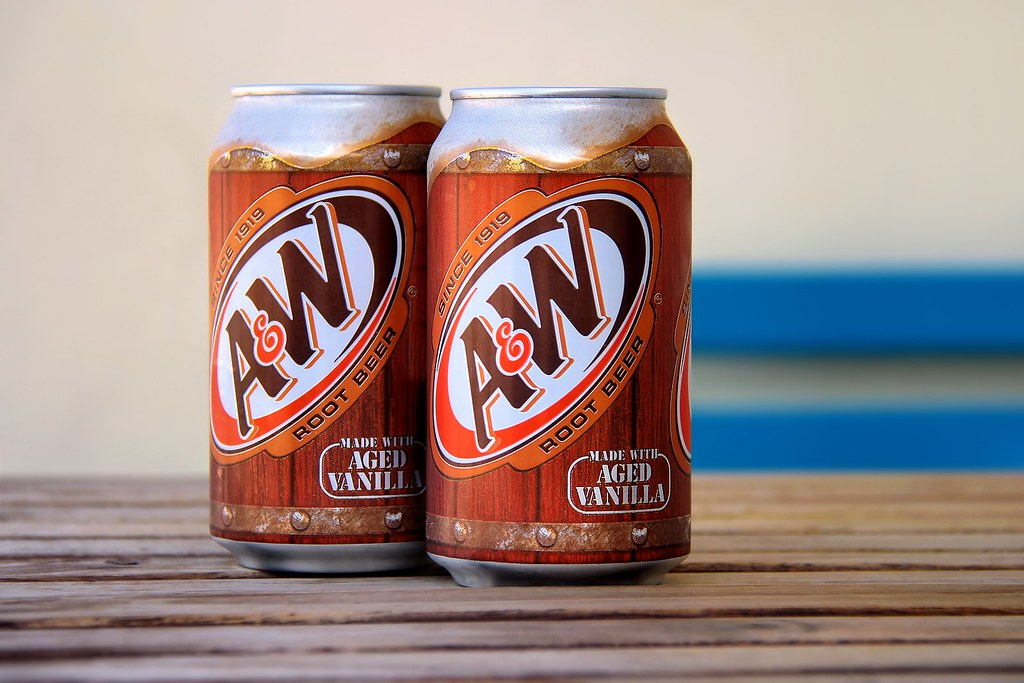
Philadelphia pharmacist Charles Elmer Hires discovered a recipe for a delicious tisane—a form of herbal tea—while on his honeymoon in New Jersey. Not long after, he began selling a dry version of the tea blend but it had to be mixed with water, sugar, and yeast and left to ferment for the carbonation process to take place.On the suggestion of his friend Russell Conwell (founder of Temple University), Hires began working on a liquid formulation for a carbonated root beer beverage that would be more appealing to the masses. The result was a combination of more than 25 herbs, berries, and roots that Hires used to flavor carbonated soda water. At Conwell’s urging, Hires introduced his version of root beer to the public at the 1876 Philadelphia Centennial exhibition. Hires’ Root Beer was a hit. In 1893, the Hires family first sold and distributed bottled root beer.
While Charles Hires and his family contributed greatly to the popularity of modern root beer, its origins can be traced to pre-colonial times during which indigenous tribes commonly created beverages and medicinal remedies from sassafras roots. Root beer as we know it today is descended from “small beers,” a collection of beverages (some alcoholic, some not) concocted by American colonists using what they had at hand. The brews varied by region and were flavored by locally grown herbs, barks, and roots. Traditional small beers included birch beer, sarsaparilla, ginger beer, and root beer.
Root beer recipes of the era contained different combinations of ingredients such as allspice, birch bark, coriander, juniper, ginger, wintergreen, hops, burdock root, dandelion root, spikenard, pipsissewa, guaiacum chips, sarsaparilla, spicewood, wild cherry bark, yellow dock, prickly ash bark, sassafras root, vanilla beans, hops, dog grass, molasses, and licorice. Many of these ingredients are still used in root beer today, along with added carbonation. There is no single recipe for root beer.
 My Soda Blog